Summer is winding down in Iowa, kids are going back to school, which means it's time for the end-of-summer roof check. These are some things you look for yourself. Safety first, if you don't feel comfortable or would like a professional opinion, call our team and we will come out for a cost free checkup.
Roof damage can be easy to miss from the ground. Heat, heavy rain, wind, hail, falling branches, and summer storms could have left behind damage that will show up in winter. That's why the end-of-summer is a good time to identify small roof problems before snow, freeze and thaw cycles make them into big roof problems.
J. Bos Inc. Roofing Services has served homeowners throughout Central Iowa for more than 35 years. Which is why we know a few things about Iowa weather, and what you can look for. Here are several areas worth checking as summer comes to an end.
Read: Can Summer Heat Damage Your Roof?

1. Curled Shingles
Look for Curled Shingles From Heat
Summer heat can put stress on asphalt shingles, especially on older roofing systems or areas that receive prolonged direct sunlight.
Look at your roof from the ground for shingles that appear curled, lifted, warped, or uneven along the edges. Heat exposure may cause aging shingles to lose flexibility and begin pulling away from the roof surface.
Curled shingles may allow wind-driven rain to reach areas that should stay protected. They may also be a sign that the roofing system is reaching the later stages of its service life.
A professional roof inspection will help determine whether the affected area needs a repair or whether the condition is more widespread.

2. Shingles with Granular Loss
Check Your Gutters for Granules
Asphalt shingles contain protective granules that help shield the roofing material from sunlight and weather.
Some granule loss is normal as a roof ages. Large amounts collecting inside gutters or near downspouts may point to advanced shingle wear.
End of summer is also a good time to clear leaves, sticks, seed pods, and other debris from your gutters. Proper drainage becomes increasingly important as fall rain and leaves arrive.
Clogged gutters may allow water to back up along the edge of the roof or overflow near the foundation.

3. Check Flashings
Inspect Flashings around Chimneys, Vents, Skylights
Roof leaks do not always begin in the middle of a shingle field.
Flashing around chimneys, vents, skylights, valleys, and other roof penetrations helps keep water from entering vulnerable areas of the roofing system.
Summer storms and temperature changes may loosen materials or expose aging sealants.
Look for visible gaps, lifted metal, damaged vent covers, or areas that appear out of place. These smaller roofing components deserve attention because even a minor opening may eventually allow water into the home.

Don't Forget the Attic
Look Inside the Attic
Attics are an often forgotten place to check for moisture, leaks or damage. Sometimes roofing problems are easier to identify from inside the house. Attics are a great place to identify issues.
Check your attic for:
- Water stains
- Damp insulation
- Darkened roof decking
- Musty odors
- Visible daylight through the roof
- Signs of previous moisture
A roof does not need to be actively dripping to have a moisture problem.
Small leaks may only appear during certain wind or rain conditions. Finding them before winter gives you more time to address the source.

Damage from Trees
Check your roof for damage caused by trees or branches
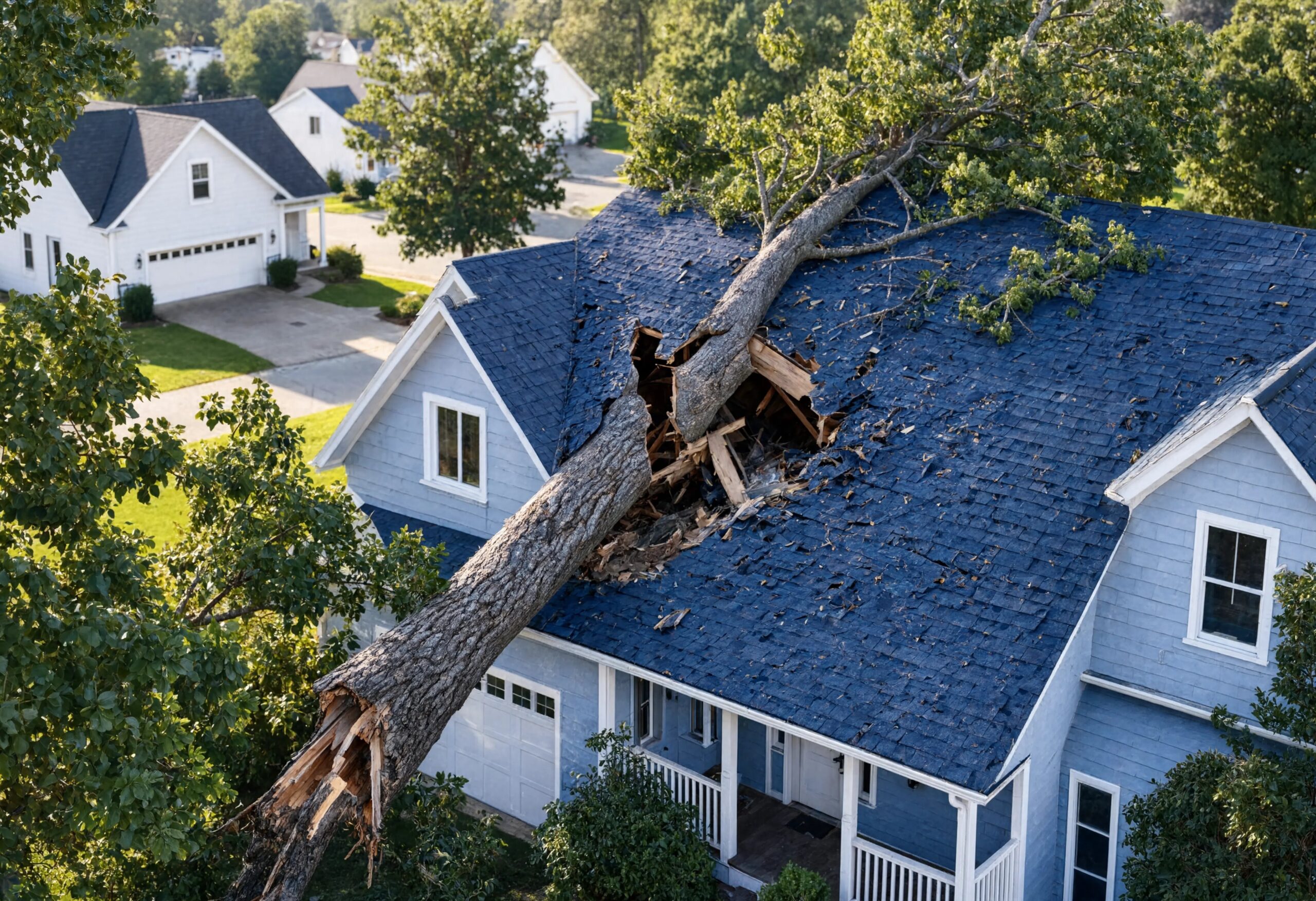
Trees provide shade during an Iowa summer, but branches near the roof also create potential problems when wind speeds pick up. Iowa took a few summer storms with high speeds that could've caused damage. If you saw a lot of larger branches on or around your home, it's a good idea to check to make sure they didn't hit the roof first.
For trees close to the house, look for broken limbs, branches resting against shingles, or areas where branches repeatedly rub the roof.
Trees should have enough clearance to reduce contact with roofing materials. Removing damaged or overhanging branches also lowers the chance of them falling onto the roof during future wind, ice, or snow events.

Sagging Roof Areas
Pay Attention to Sagging or Uneven Areas
A roofline should generally appear straight and consistent.
Visible dips, sagging sections, or noticeable changes in the roof deck deserve professional attention.
These conditions may develop for several reasons, including moisture damage, aging materials, or structural issues beneath the roofing system.
A roofing contractor will inspect the area and determine what is causing the change.

Stains or Leaks
Do Not Ignore Small Roof Leaks
A small leak rarely stays small forever.
Water may travel along roof decking, rafters, insulation, or framing before becoming visible inside the living space. The location of a ceiling stain may not be directly below the point where water entered the roof.
Addressing a leak early may help limit damage to insulation, drywall, wood framing, and other materials inside the home.
Is Early Fall Is a Good Time for Roof Work?
Yes, September and early fall is a great time for homeowners for roof work. If you have roof damage, getting your roof serviced in the fall prevents winter weather from increasing the existing damage.
Fall lets us keep the cost of minor repairs down, by preventing water intrusion from getting worse. This is because winter can have heavy snow days that melt and refreeze, causing small issues to grow. Homeowners already considering roof replacement also have more time in the fall to evaluate roofing materials, colors, ventilation, gutters, and financing options without the rush from a winter emergency.
Fall also has better weather conditions for larger repairs or replacements, allowing homeowners and our service team to offer more flexible scheduling options.
The goal is simple: know the condition of your roof before snow and freezing temperatures arrive.
Schedule an End-of-Summer Roof Inspection
J. Bos Inc. Roofing Services provides residential roof inspections, roof repairs, roof replacement, storm damage assessments, gutters, and additional roofing services throughout Des Moines and Central Iowa.
Our team has served Iowa homeowners for more than 35 years and understands the weather conditions local roofing systems face throughout the year. If your roof went through another summer of problems and you'd like to have a professional do a cost free evaluation give us a call or fill out the form below. Fall is, after all, a great time to have your roof checked.
Schedule a roof inspection with J. Bos Inc. Roofing Services before fall weather moves in.