
Roof Inspection in Central Iowa
Clear findings. Practical next steps.
A roof inspection should help you make a decision: repair a leak, plan for replacement, investigate storm damage, or understand a roof before other work begins. J. Bos Inc. Roofing Services evaluates roofs across Central Iowa and explains the visible conditions that affect your next steps.
Start With the Question You Need Answered
A Leak or Change in the Roof
Missing roofing, a recurring ceiling stain, loose flashing, or a change in the roofline warrants attention. Describe what changed and when. A leak during heavy rain may require a different investigation from moisture that appears during a winter thaw. Interior observations help connect the symptoms with the exterior evaluation.
An Aging Roof and a Future Budget
An evaluation helps distinguish work that needs attention now from replacement planning. Age is useful context, but exposure, installation, previous repairs, and current condition also matter. A roof does not become unusable on one birthday, and a newer roof is not automatically free of problems.
Gather installation invoices, warranty records, and earlier inspection notes if available. Our article on finding a roof's age suggests places to look for records. Public records may be incomplete, so an approximate age should be identified as an estimate.
A Home Purchase, Sale, or Renovation
Tell us the decision deadline and the roof questions raised by a home inspector, buyer, or contractor. A roofing evaluation has a specific scope; it is not a substitute for an inspection of the entire building. If a transaction requires a particular written report or form, confirm that requirement and availability when scheduling.
What We Look for During a Roof Evaluation
We review the roof covering along with the details around it. Visible wear, damaged or missing materials, prior patches, and uneven areas help establish where closer attention is needed. Conditions differ from slope to slope, so the most obvious problem should not define the condition of every roof area.
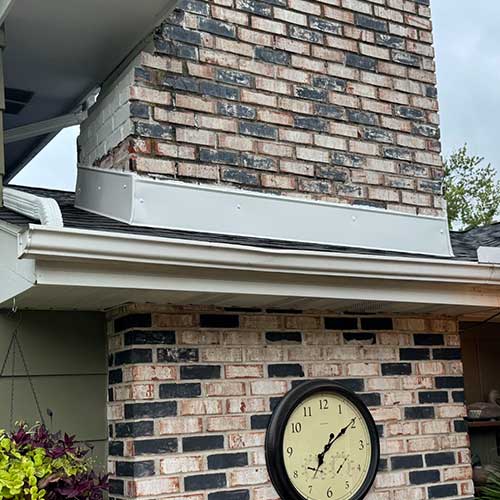
We also look at places where roof surfaces meet and where objects pass through the roofing. Valleys collect water, while walls, chimneys, vents, and skylights interrupt the roof surface. Their flashing and adjoining materials help direct water outward. Our explanation of common roof leak locations shows why a stain may lead to a transition detail rather than a large area of worn shingles.
Roof edges, gutters, and visible ventilation components add context. Overflowing drainage or moisture in an attic may involve causes beyond the roof covering. Share any attic observations from a safely accessible location, including frost, damp insulation, or past ventilation changes. We explain when a concern needs further access or help from another trade.
Understand the Limits of a Visual Inspection
Weather, steep slopes, roof height, fragile materials, and access restrictions affect what is safe to examine. Decking beneath an intact roof and conditions behind finished walls are not fully visible. We distinguish what we can see from what needs further investigation and explain any areas we cannot assess.
Further investigation may be necessary before a final repair scope is established. A visual evaluation cannot guarantee the absence of concealed damage or predict an exact remaining roof life. We explain the findings that support our recommended next step.
Turn Findings Into an Action Plan
We help you separate prompt repairs from further investigation and longer-term maintenance or replacement planning. A small flashing repair, monitoring a serviceable roof, and replacing deteriorated roofing are different outcomes. We explain why each option fits the condition we find.
When your property has several roof areas or buildings, we discuss their conditions separately. A problem on one roof does not mean every roof needs the same work. Keep the evaluation date and available records with your property information. A history of repairs and changes makes future assessments more useful.
Prepare for Your Appointment
Provide the address, known roof age, symptoms, prior repairs, and the reason for the evaluation. Mention access restrictions, pets, locked gates, and any scheduling deadline. Safe ground-level or interior photos are helpful; climbing onto the roof is not necessary.
Schedule a free roofing evaluation with J. Bos Inc. Roofing Services. Tell us if water is entering now so the immediate roofing concern is understood before the visit.
Helpful roofing advice.
More from our roofing blog.
What should be included in a roof replacement estimate?
Compare roof replacement estimates beyond the price. Check materials, decking, flashing, cleanup, scheduling, payment terms, and warranty details.

Ice Dams: Why They Form, What Damage They Cause, and How to Stop Them
Learn how ice dams form, which warning signs to watch for, and why insulation, air leaks, and roof conditions deserve attention.

Outdated Roofs: When Old Installations Put Your Home at Risk
Was your roof installed using outdated methods? J. Bos Roofing Services updates roofs with certified modern installation and protection.
Start with a clear plan
Schedule your roofing evaluation.
Tell us about your roof and the work you're considering. Our team will follow up to arrange a cost-free evaluation.
(515) 681-4699