
No, you don't necessarily need to replace your siding and roof at the same time. However, if both are aging, showing signs of storm damage, or need repairs where the roof meets the exterior walls, coordinating the projects may save you time and prevent unnecessary work.
Your roof and siding protect different parts of your home. They also experience different types of wear. Iowa's hail, high winds, freezing temperatures, and heavy rainfall can damage both, but damage to one doesn't automatically mean the other needs replacement.
Before scheduling either project, it's worth understanding how your roof and siding work together and when replacing both makes sense.
When should you replace siding and roof together?
There are several situations where replacing your roof and siding during the same project makes sense. The decision should come down to their condition, the extent of any damage, and the work required to protect your home from moisture. It could also come down to financing, if you're looking to upgrade your roof and touch on multiple projects now would be a good time to upgrade.
1. Both are approaching the end of their lifespan
If your roof and siding were installed around the same time, both may be showing signs of aging. Asphalt shingles may begin curling, cracking, or losing protective granules, while older siding may develop cracks, loose panels, rot, or moisture damage. The lifespan of each material depends on its quality, installation, maintenance, and exposure to the elements. You don't need to replace siding simply because your roof is getting older. If both materials are deteriorating and will need replacement in the near future, scheduling the projects together may be a practical option.
2. Hail or wind damaged both surfaces
Severe Iowa storms can damage multiple parts of a home. Hail may damage roofing shingles and siding panels, while high winds may loosen shingles, remove siding, and damage gutters or exterior trim.
Damage isn't always visible from the ground. A professional roof evaluation will help identify damaged shingles, flashing, and other roofing components. Have the siding evaluated separately to determine whether individual panels can be repaired or larger sections need replacement.
When both systems have significant damage, coordinating repairs and replacement will help restore the exterior without overlapping or conflicting installation work.
3. Your home has problems where the roof meets the siding
The connection between your roof and siding deserves special attention. These areas rely on properly installed flashing and water-resistant materials to direct rainwater away from the building.
Damaged flashing, deteriorating siding, or improperly installed materials may allow moisture to enter the wall or roofing system. On some homes, siding will need to be temporarily removed so the roofing contractor can access and replace damaged flashing.
If the siding in these areas is already deteriorating, replacing the affected sections during the roofing project may prevent additional work later.
4. Financing, it just makes sense
If you're looking to complete multiple projects under financing like a heloc, it could make sense to complete bigger projects at the same time.
5. Cosmetic, Your home needed the makeover
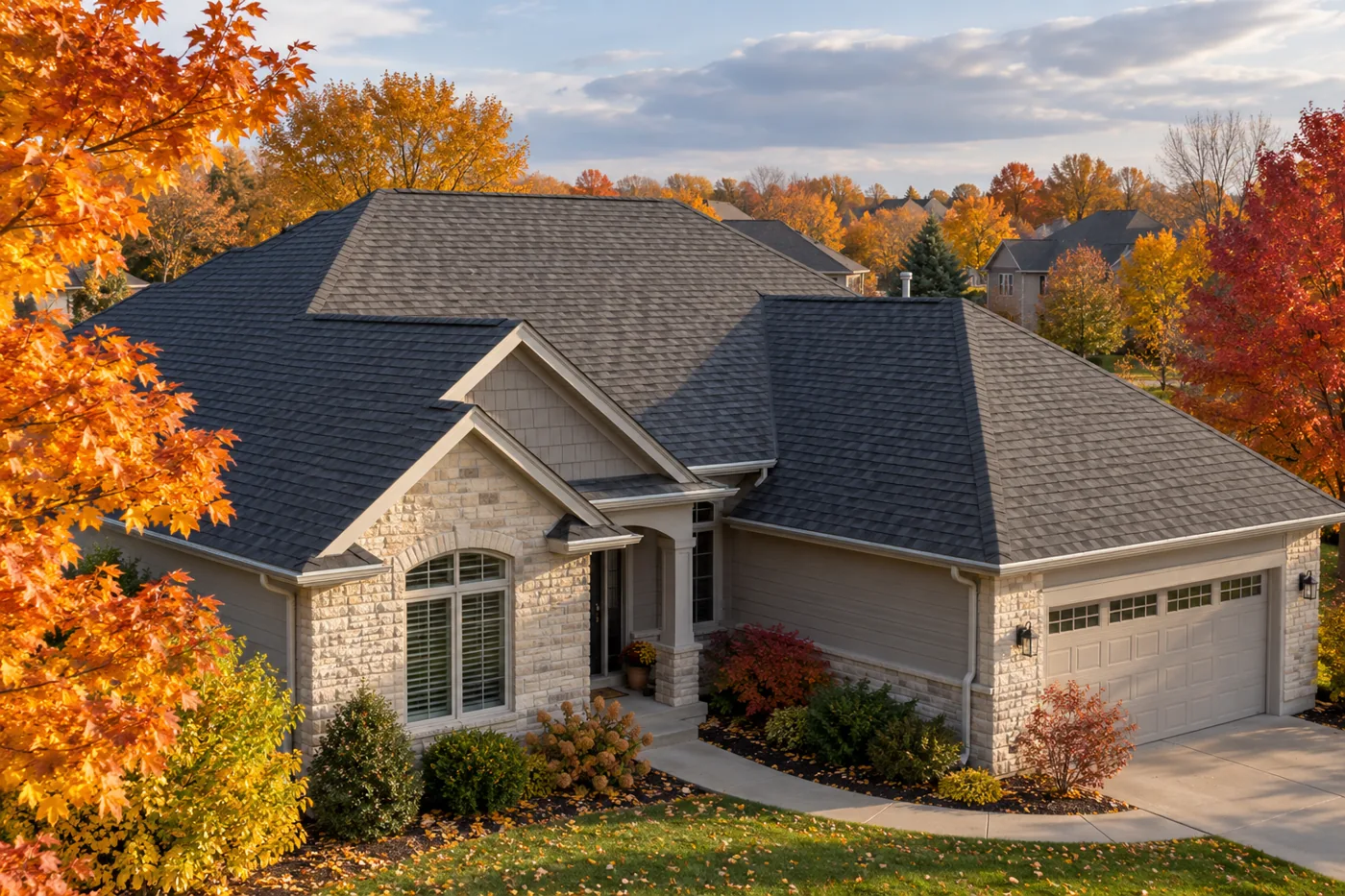
If you're looking to boost your home's curb appeal, new siding and shingles can completely transform its appearance. A fresh color combination can make your home feel brand new. If you're considering a brown roof, siding colors like black or deep green will complement its warm tones and create a beautiful, modern look.
When should you replace only your roof?
If your siding is in good condition, there's generally no reason to replace it during a roof replacement.
Many Iowa homeowners replace their roofs following hail damage or after years of normal wear while keeping their existing siding.
Your siding may not need replacement if:
- Panels are secure and free from widespread cracking or deterioration.
- There are no signs of moisture damage beneath the siding.
- Minor damage can be repaired with matching materials.
- The existing siding can be safely retained or temporarily removed where roofing work requires access.
A roofing contractor should examine the roof-to-wall connections during your evaluation. This will help identify whether any siding or trim needs to be removed to complete the roofing work correctly. If you're unsure about the condition of your shingles, read our guide on when to repair versus replace your roof.
Should you replace your roof or siding first?
If you're planning to replace both, the installation order should be coordinated between your roofing and siding contractors.
In many projects, roofing and roof-to-wall flashing are installed before the final siding is fitted along those connections. However, the correct sequence depends on your home's design and the materials being installed.
Three areas require particular attention:
Roof flashing
Flashing is installed where your roof meets walls, chimneys, and other surfaces. It directs water away from vulnerable connections. Proper installation helps prevent rainwater from entering behind your shingles or siding.
Exterior moisture barriers
The water-resistant barrier behind your siding must integrate with the roof flashing. These materials need to overlap correctly so water drains outward rather than into the wall.
Gutters and drainage
Roof and siding replacement may also involve gutters, downspouts, and exterior trim. Planning this work together helps prevent new materials from being damaged or removed during another installation. Discuss the installation sequence before either project begins, especially if separate contractors will be completing the work.
Will replacing both at once save money?
Replacing your roof and siding together may reduce some overlapping project expenses, but it doesn't guarantee a lower overall price. Potential benefits include coordinating installation schedules, reducing repeated site preparation, and avoiding the need to remove newly installed materials during a second exterior project. However, roofing and siding require different materials and sometimes separate installation crews. You'll still need to account for the cost of both projects.
Before committing to a combined replacement, request detailed estimates that identify:
- Roofing materials, removal, installation, and cleanup.
- Siding materials, removal, installation, and trim.
- Flashing, moisture barriers, and necessary repairs.
- Gutter removal, replacement, or reinstallation.
- Any additional costs for damaged roof decking or wall sheathing discovered during installation.
Comparing the estimates will help you determine whether completing both projects together makes financial sense or whether one can safely wait.
What if a storm damaged your siding and roof?
Hail, wind, and fallen tree limbs can damage several exterior surfaces during the same storm. If your property has been affected, have the damage documented before scheduling permanent repairs. Look for missing shingles, visible siding damage, damaged gutters, fallen branches, or signs of water entering your home. Stay on the ground when inspecting the exterior. Avoid climbing onto a damaged roof. If your roof is actively leaking, temporary roofing repairs should take priority to help prevent additional water intrusion.
Homeowners considering an insurance claim should review their policy and contact their insurance carrier. Coverage for roofing and siding depends on the policy, the damage, and the insurer's assessment.
J. Bos Inc. Roofing Services provides professional roofing evaluations and detailed estimates to document roof damage. Our team will also answer technical questions about the roofing work during an adjuster's inspection.
Frequently asked questions
Can you replace a roof without removing the siding?
Yes. In many cases, roofing contractors can replace shingles without removing most of the existing siding. Some siding or trim may need to be temporarily removed to access roof flashing and correctly waterproof the connection between the roof and exterior walls.
Should I match my new roof color to my siding?
Your roof and siding don't need to be the same color, but they should complement each other. If you're replacing only your roof, consider how your new shingle color will look with the existing siding, trim, and exterior finishes.
Explore our roofing material and color options before selecting your new shingles.
How do I know if my siding needs replacement?
Common warning signs include widespread cracking, loose or missing panels, rot, warping, and moisture damage. Minor cosmetic damage may only require individual panel replacement or repairs. A siding professional will help determine whether the material can be repaired or needs complete replacement.
Does roof replacement include new flashing?
Not automatically. The scope of work should specify which flashing will be inspected, repaired, reused, or replaced. Ask your roofing contractor about flashing wherever the roof meets a wall, chimney, or other structure.
Schedule a roof evaluation in Central Iowa
Not sure whether your roof needs replacement? J. Bos Inc. Roofing Services has served Central Iowa homeowners for more than 35 years. Our Certified CertainTeed Master Shingle Applicators provide professional roof replacements, repairs, storm damage evaluations, and gutter services throughout Des Moines and surrounding communities.
Our team will evaluate your roof, identify damaged areas, and explain the available repair or replacement options. If your project also involves siding, we'll identify the roof-to-wall connections that need to be addressed during installation.
Schedule your cost-free roofing evaluation and find out what your home needs before committing to a major exterior project.